
Explore The Science Behind Sodium Hybrid Batteries
The future of hybrid battery power has finally arrived. The new sodium hybrid battery technology is revolutionizing the hybrid and EV space, offering a cost-effective, safer, and more sustainable alternative to lithium-ion and nickel-metal hydride batteries.
Sodium Hybrid Battery: The Future of Hybrid Vehicle Power
As the demand for efficient, eco-friendly energy storage solutions grows, the sodium hybrid battery is emerging as a revolutionary alternative in the world of hybrid vehicles. While traditional lithium-ion batteries have been the industry standard, sodium-ion batteries offer a promising new approach with several advantages that make them an excellent choice for hybrid applications.
Sodium Hybrid Battery vs. Lithium-Ion vs. Nickel-Metal Hydride: A Comparison
When it comes to hybrid vehicle batteries, the three main technologies used are sodium-ion, lithium-ion, and nickel-metal hydride (NiMH). Each has its own advantages and disadvantages, and choosing the right one depends on several factors, including cost, performance, and environmental impact.
- Sodium-Ion batteries are redefining energy storage, competing head-to-head with Lithium-Ion and far surpassing Nickel-Metal
Hydride (NiMH) in key performance areas. Offering 100-160 Wh/kg energy density, Sodium-Ion is rapidly closing the gap with
Lithium-Ion while eliminating reliance on scarce materials like lithium and cobalt.
- Longevity is another key advantage. With 2000+ cycle life, Sodium-Ion outlasts NiMH and matches Lithium-Ion, reducing
replacements and long-term costs. Its 90% charge/discharge efficiency ensures less wasted energy, faster charging, and lower
heat generation, optimizing hybrid vehicle performance.
- Unlike Lithium-Ion, Sodium-Ion eliminates safety risks like thermal runaway and overheating, making it a more stable and
reliable solution. Additionally, while Lithium-Ion faces resource scarcity and rising costs, Sodium-Ion is scalable, using
abundant, low-cost materials with minimal supply chain risks.
- With strong energy density, long lifespan, superior efficiency, and unmatched safety, Sodium-Ion isn’t just a competitor—it’s the
clear choice for the future of hybrid battery technology

Sodium Specifications Compared To Other Technologies
When it comes to hybrid vehicle batteries, Sodium-Ion technology outperforms both Lithium-Ion and Nickel-Metal Hydride
(NiMH) in efficiency, longevity, and safety. With a wider operating voltage range of 1.5V – 4.0V per cell, Sodium-Ion delivers
higher energy density and greater efficiency, ensuring more power per charge cycle while maintaining stability in real-world
applications.
While both Sodium-Ion and Lithium-Ion offer 7.0Ah capacity, Sodium-Ion maintains higher recognizable capacity, meaning less
degradation over time and more usable energy. Lithium-Ion degrades faster, leading to frequent replacements, while Sodium
Ion stays stable and efficient throughout its lifespan.
Internal resistance (IR) is another key factor. Sodium-Ion balances efficiency and safety, providing optimal energy transfer
without the overheating risks of Lithium-Ion or the inefficiency of NiMH. It ensures safer, more stable performance without
compromising on power.
Sodium-Ion is also cost-effective and sustainable, relying on abundant materials rather than scarce minerals like lithium and
cobalt. With higher efficiency, longer life, and greater safety, it’s the superior choice for the next generation of hybrid vehicles.

Battery Cell Specifications
Sodium-Ion batteries are revolutionizing hybrid vehicle power with unmatched durability, efficiency, and longevity. Designed to
withstand extreme conditions, these batteries operate from -40°F to 140°F, ensuring reliable performance whether you’re
driving through scorching heat or freezing cold.
No matter the climate, Sodium-Ion maintains stability and power output,
outperforming traditional battery chemistries.
Beyond durability, weight reduction is a key advantage. At 2.8 lbs per module, Sodium-Ion batteries are 30% lighter than NiMH,
directly improving fuel efficiency, vehicle handling, and reducing overall wear on the vehicle. A lighter battery means better
performance and lower operational costs, making it a cost-effective upgrade.
Long-term stability is another critical factor. Unlike Lithium-Ion, which degrades quickly over time, Sodium-Ion retains high
efficiency and stable capacity for years, delivering consistent power output without the risk of early failure. This means fewer
replacements, lower maintenance costs, and a better investment for hybrid vehicle owners.
With superior thermal resilience, weight efficiency, and extended lifespan, Sodium-Ion is the smarter, more sustainable choice
for hybrid battery replacement. Experience the future of hybrid power—lighter, stronger, and built to last

Quick Specifications On The Technology
Wider Operating Temperature Range (-40°F to 140°F)
Drive confidently in extreme cold and
heat! Sodium-Ion batteries perform in
conditions where Lithium-Ion and
Nickel-Metal Hydride struggle,
making them ideal for any climate.
Higher Cell Operating Voltage (1.5V- 4.0V)
Delivering consistent power output
for a more reliable and efficient
hybrid vehicle performance.
No Lithium, No Cobalt – 100% Sustainable
Say goodbye to the supply chain
issues and environmental concerns
of lithium and cobalt mining. Sodium
is abundant and cost-effective,
reducing reliance on scarce
materials.
Cost-Effective Without Sacrificing Performance
Enjoy the same 7.0Ah cell capacity
as lithium-ion but at a lower overall
cost, making Sodium-Ion the best
value for your hybrid battery needs.
Recognizable Capacity & Longevity
Lithium-Ion degrades faster over
time, reducing usable energy.
Sodium-Ion offers greater stability
and longevity, ensuring consistent
performance. Its higher recognizable
capacity means longer battery life
and better energy efficiency.
Optimized Internal Resistance for Efficiency & Safety
Internal resistance (IR) affects
efficiency and heat. Sodium-Ion
optimizes energy transfer—lower IR
than Nickel-Metal Hydride for better
performance, but without Lithium
Ion’s overheating risks. This ensures
safe, efficient power for your hybrid
battery.
Improved Safety & Reliability
No risk of thermal runaway or fire
hazards—a major concern with
lithium-ion batteries. Sodium-Ion
ensures greater safety for you and
your vehicle.
A Greener Future Starts Here
Sodium-Ion batteries are fully
recyclable, significantly reducing
environmental impact and making
them the most sustainable choice for
hybrid vehicles.
Competitive Energy Density (100 160 Wh/kg)
Sodium-Ion batteries outperform
Nickel-Metal Hydride and are rapidly
closing the gap with Lithium-Ion—
without the reliance on scarce
materials like lithium and cobalt.
2000+ Cycle Life for Long-Term Performance
Comparable to Lithium-Ion and far
superior to Nickel-Metal Hydride,
providing a longer-lasting battery
with fewer replacements and
reduced warranty claims.
Higher Charge & Discharge Efficiency (90%)
Near Lithium-Ion performance with
faster charging, less energy waste,
and lower heat generation, ensuring
greater reliability and performance.
Cold Weather Performance: Excellent
Unlike Lithium-Ion, which struggles in
extreme temperatures, Sodium-Ion
batteries excel in freezing conditions,
making them ideal for diverse
climates.
The Future of Hybrid Vehicles:
Sodium hybrid batteries are set to play a major role in the next generation of hybrid and electric vehicles. With their lighter weight, sustainable materials, and competitive performance, sodium-ion technology is paving the way for more environmentally friendly and cost-effective transportation solutions.
Explore the benefits of sodium hybrid batteries and discover why they are the future of eco-conscious driving.
Order Your Sodium-Ion Hybrid Battery Today!
Showing 1–8 of 15 resultsSorted by price: low to high
- Sale!

Prius Hybrid Battery (2016–2020) with Sodium-Ion Cells, 5 Year Warranty
Original price was: $3,095.00.$2,795.00Current price is: $2,795.00.-
- Sale!

Altima Hybrid Battery (2007-2011) with Sodium-Ion Cells, 5 Year Warranty
Original price was: $3,295.00.$2,995.00Current price is: $2,995.00.-
- Sale!

Prius Hybrid Battery (2010-2015) with Sodium-Ion Cells, 5 Year Warranty
Original price was: $3,095.00.$2,795.00Current price is: $2,795.00.-
- Sale!
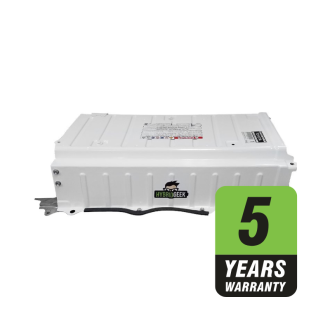
Prius Hybrid Battery (2004-2009) with Sodium-Ion Cells, 5 Year Warranty
Original price was: $3,095.00.$2,795.00Current price is: $2,795.00.-
- Sale!

CT 200h Hybrid Battery (2011-2017) with Sodium-Ion Cells, 5 Year Warranty
Original price was: $3,195.00.$2,895.00Current price is: $2,895.00.-
- Sale!
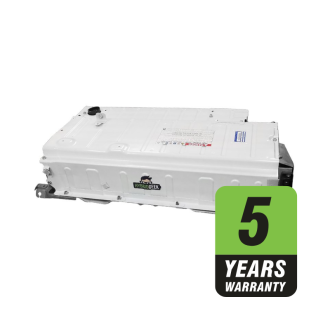
Camry Hybrid Battery (2007-2011) with Sodium-Ion Cells, 5 Year Warranty
Original price was: $3,295.00.$2,995.00Current price is: $2,995.00.-
- Sale!

Yukon Hybrid Battery (2008-2013) with Sodium-Ion Cells, 5 Year Warranty
Original price was: $4,195.00.$3,795.00Current price is: $3,795.00.-
- Sale!
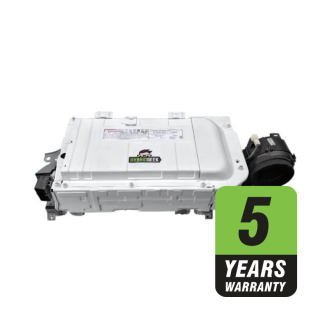
Prius C Hybrid Battery (2012-2019) with Sodium-Ion Cells, 5 Year Warranty
Original price was: $2,695.00.$2,395.00Current price is: $2,395.00.-
Follow Us on Social
What Our Happy Customers Have to Say!
Schedule your free mobile installation now!
