
New Sodium Ion Hybrid Battery
The future of hybrid battery power has finally arrived. The new sodium ion hybrid battery technology is revolutionizing the hybrid and EV space, offering a cost-effective, safer, and more sustainable alternative to lithium-ion and nickel-metal hydride batteries.
Why Choose Sodium Ion Hybrid Batteries?
Place your order below today and be among the first to experience the future of hybrid battery technology! We’re excited to offer the latest Sodium Ion Hybrid Battery solution. Here are some of the benefits of sodium-ion technology:
Affordable
Sodium is more abundant and cost-effective compared to expensive lithium, making sodium-ion batteries a wallet-friendly option for hybrid vehicles.
Safe
Unlike lithium-ion batteries, sodium-ion batteries pose no risk of overheating or thermal runaway, offering a safer solution for hybrid vehicle owners.
Eco-Friendly
Sodium-ion batteries are free of rare earth metals, helping reduce the environmental impact associated with traditional hybrid batteries.
Durable
Designed to perform optimally in both hot and cold conditions, sodium-ion batteries are perfect for year-round, all-weather driving.
Longevity
With a focus on durability and efficiency, sodium-ion batteries are built to last longer, providing dependable performance over time.
How Sodium-Ion Hybrid Batteries Compare
- Affordable: Uses abundant sodium instead of rare lithium or cobalt.
- Safer: No fire risk, making them safer than lithium-ion alternatives.
- Sustainable: With no rare earth metals, they’re more eco-friendly.
- Cold & Hot Weather Reliable: Performs in extreme weather conditions.
- Longer Lifespan: Designed for durability and long-term performance.
- Higher Energy Density: Provides great performance but at a higher price.
- Heat Risk: Lithium-ion batteries are prone to overheating and degradation.
- Expensive: Due to costly lithium and cobalt sourcing, they are pricier.
- Shorter Lifespan: Lithium-ion batteries degrade faster compared to sodium-ion.
- Older Hybrid Models: Used in older hybrid models, but bulkier than sodium-ion.
- Higher Self-Discharge: Requires more frequent replacements.
- Less Efficient: Sodium-ion outperforms NiMH with better energy efficiency.
Explore the Science Behind Sodium Ion Hybrid Batteries
For engineers, fleet operators, and hybrid owners, we’ve compiled detailed resources on the advantages and performance of sodium-ion technology.
📄 Technical Documents & Whitepapers:
Frequently Asked Questions
- What Are The Disadvantages of Sodium-Ion Battery?
- Is A Sodium-Ion Battery Better Than A Lithium Battery?
- Are Sodium-Ion Batteries Reliable?
- What Is The Lifespan Of A Sodium-Ion Battery?
While sodium-ion batteries are an exciting new technology, they do have a few challenges to overcome. One area where sodium-ion batteries used to lag behind is energy density—traditionally, they had lower energy density compared to lithium-ion batteries. However, with advances in technology, sodium-ion batteries are becoming more competitive, especially for applications where weight and size are important factors. In fact, sodium-ion batteries are actually 50% lighter and slimmer than their lithium-ion counterparts, making them a great choice for hybrid vehicles where weight and space efficiency are crucial. The main drawback still remains in the overall energy capacity in some applications, but research and improvements are quickly narrowing this gap. Plus, sodium-ion technology has a significant environmental advantage, as sodium is far more abundant and easier to source than lithium, leading to a more sustainable product with less environmental impact.
Sodium-ion batteries are an excellent alternative to lithium-ion batteries and are quickly catching up in performance. While lithium-ion batteries still have a higher energy density, sodium-ion batteries are 50% lighter and slimmer, making them a superior choice for applications where space and weight are critical, such as in hybrid vehicles. Sodium-ion batteries are also safer—they are less volatile than lithium-ion batteries, which makes them less prone to dangerous reactions under stress. They also perform better and more stably in a wider temperature range, making them more reliable in extreme conditions. Sodium is much more abundant and easier to source than lithium, which helps reduce environmental impact and production costs. As energy density continues to improve, sodium-ion batteries will become an even more competitive and sustainable alternative to lithium-ion batteries, especially as their unique advantages in safety and temperature stability come to the forefront.
Absolutely! Sodium-ion batteries are becoming increasingly recognized for their reliability and safety. They are safer than lithium-ion batteries, being less volatile and much more stable across a wider temperature range, which makes them ideal for demanding environments like hybrid vehicles. Their 50% lighter and slimmer design doesn’t sacrifice their reliability—it actually improves vehicle performance by reducing weight. Sodium-ion batteries also maintain their integrity over many charge cycles, ensuring consistent performance throughout their lifespan. As the technology evolves, sodium-ion batteries will continue to demonstrate high levels of durability and reliability, making them an excellent choice for long-term, efficient energy storage and use in hybrid vehicles.
Sodium-ion batteries have an impressive lifespan, generally ranging from 7 to 10 years minimum, depending on usage, charge cycles, and environmental conditions. As with any new technology, time will give us a better understanding of how long sodium-ion batteries can truly last, but early results suggest they are highly durable. Over the coming years, as more real-world data accumulates, we’ll see how sodium-ion batteries continue to perform and how they can be improved. Their 50% lighter and slimmer profile helps to reduce strain, contributing to longer life, while their stable operation across a wide temperature range ensures consistent performance even in challenging conditions. This makes them a great long-term solution for hybrid vehicles and energy storage applications.
Order Your Sodium-Ion Hybrid Battery Today!
Showing 1–8 of 15 resultsSorted by price: low to high
- Sale!

Prius Hybrid Battery (2016–2020) with Sodium-Ion Cells, 5 Year Warranty
Original price was: $3,095.00.$2,795.00Current price is: $2,795.00.-
- Sale!

Altima Hybrid Battery (2007-2011) with Sodium-Ion Cells, 5 Year Warranty
Original price was: $3,295.00.$2,995.00Current price is: $2,995.00.-
- Sale!

Prius Hybrid Battery (2010-2015) with Sodium-Ion Cells, 5 Year Warranty
Original price was: $3,095.00.$2,795.00Current price is: $2,795.00.-
- Sale!
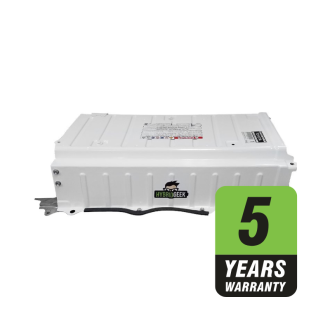
Prius Hybrid Battery (2004-2009) with Sodium-Ion Cells, 5 Year Warranty
Original price was: $3,095.00.$2,795.00Current price is: $2,795.00.-
- Sale!

CT 200h Hybrid Battery (2011-2017) with Sodium-Ion Cells, 5 Year Warranty
Original price was: $3,195.00.$2,895.00Current price is: $2,895.00.-
- Sale!
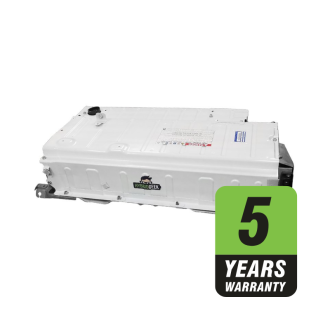
Camry Hybrid Battery (2007-2011) with Sodium-Ion Cells, 5 Year Warranty
Original price was: $3,295.00.$2,995.00Current price is: $2,995.00.-
- Sale!

Yukon Hybrid Battery (2008-2013) with Sodium-Ion Cells, 5 Year Warranty
Original price was: $4,195.00.$3,795.00Current price is: $3,795.00.-
- Sale!
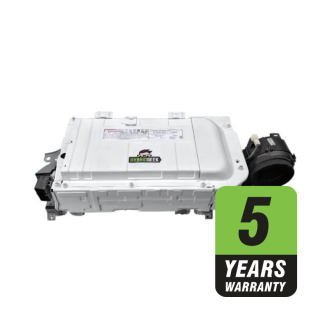
Prius C Hybrid Battery (2012-2019) with Sodium-Ion Cells, 5 Year Warranty
Original price was: $2,695.00.$2,395.00Current price is: $2,395.00.-
Follow Us on Social
What Our Happy Customers Have to Say!
Schedule your free mobile installation now!
